Despite being the largest fish consumer in Africa, Nigeria faces a significant deficit in fish production. The country’s current fish production stands at 1.2 million metric tons per year, while the demand is 3.6 million metric tons, resulting in a deficit of about 2.5 million metric tons.
The aquaculture industry globally benefits millions by providing nutrition, food security, sustainable livelihoods, and poverty reduction. However, in Nigeria, over 60% of fish farmers have been forced to shut down due to rising costs and industry challenges. Affordability is a significant challenge for fish consumption in Nigeria, influenced by factors such as importation, foreign exchange rates, and misconceptions.
The Lagos State government is making efforts to improve the aquaculture sector, but more needs to be done. Strategic measures are needed at the state and federal government levels to take advantage of untapped opportunities in the aquaculture sector. The government has implemented empowerment programs to support fish farmers and has provided resources like mobile tanks, fish seedlings, and fish feed.
Market development and value addition are crucial for improving fish consumption. Value addition techniques, such as freezing, smoking, and packaging, have been introduced to make fish more appealing to consumers. The Lagos State government, in collaboration with the World Bank’s appeals project, has helped farmers set up cottage industries and processing centers, enabling them to preserve fish through blast freezing and expand their market reach.
There is a growing popularity of fish products in Nigeria, and efforts are being made to produce fish in various forms to make it affordable and appealing. Different forms of fish products such as smoked, barbecued, fish crackers, and derivatives like fish oil, fish skin for leather making, and fish bones for calcium are being explored. Creating awareness and market linkages within the country and for exports is emphasized.
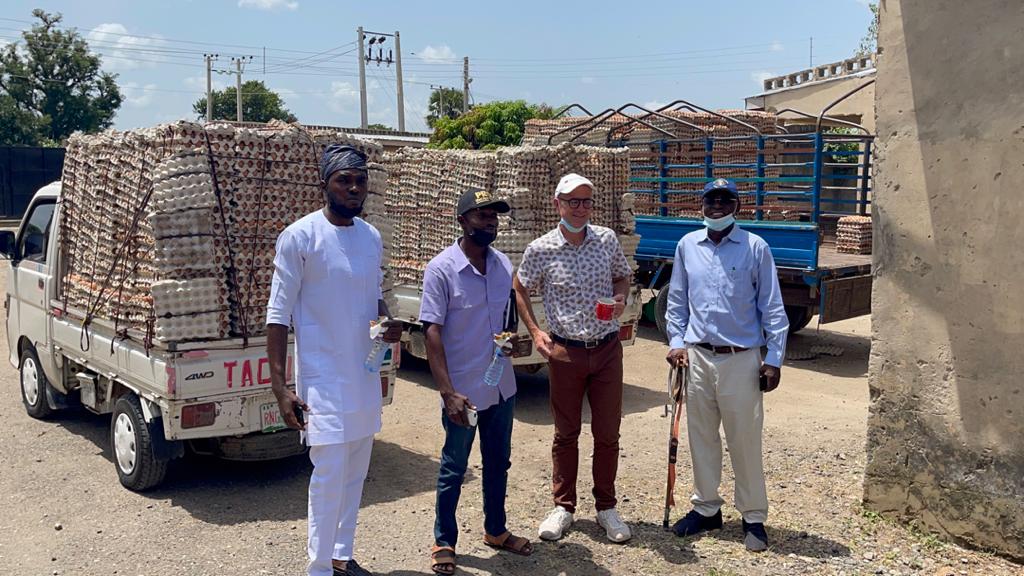
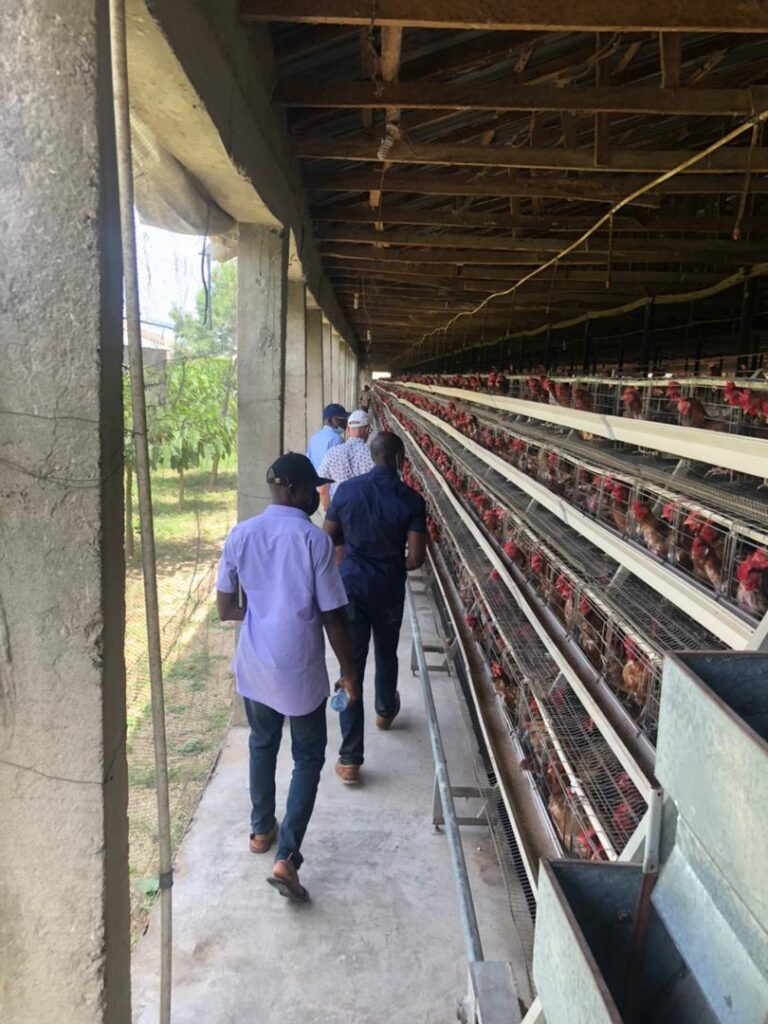
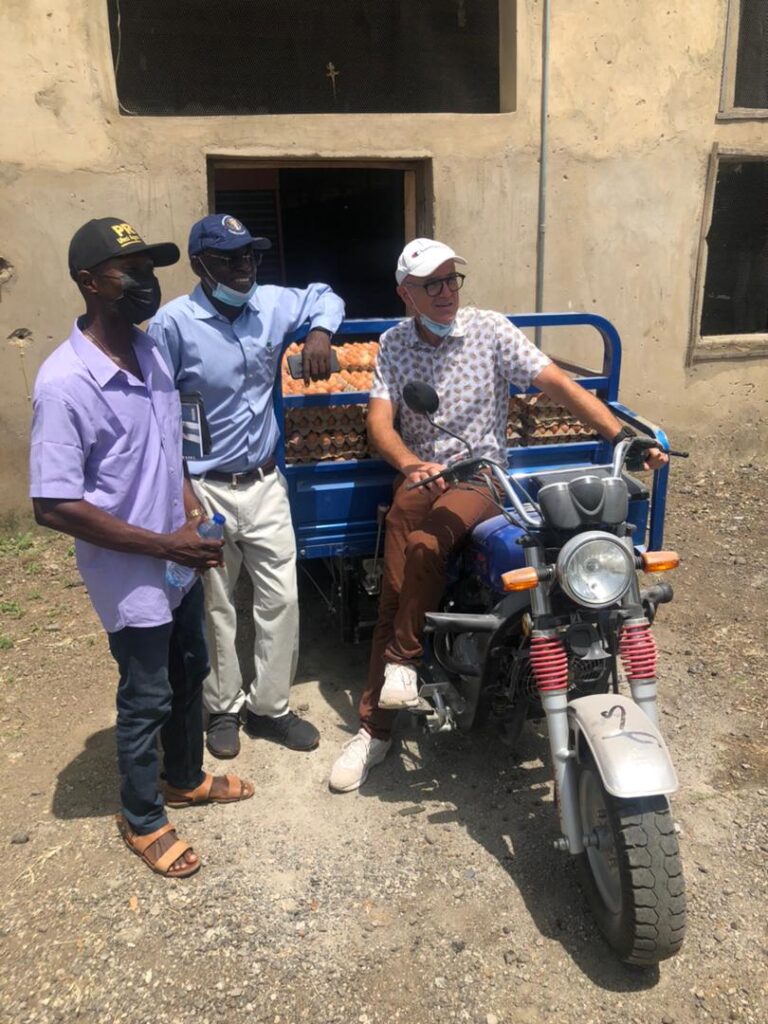
.- UU NAMIJI POULTRY FARM” Parent body of The Big Blue Aquaculture Ltd.